
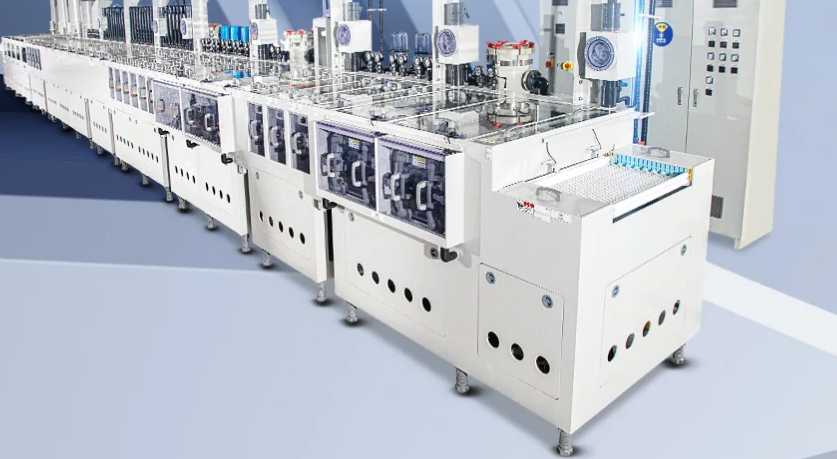
industrial precision sleeve is an important metal surface treatment technology and has a wide range of application fields. However, when conducting the industrial precision sleeve, multiple aspects need to be noted and potential risks should be guarded against. The following is a detailed elaboration of the precautions and risks of the industrial precision sleeve:
Precautions
Material selection
The material selection for the industrial precision sleeve is of vital importance, as different materials have different adaptabilities to the industrial precision sleeve. Common materials suitable for industrial precision sleeve include stainless steel, stainless iron, copper, aluminium, nickel and titanium, etc.
When choosing materials, factors such as hardness, wear resistance and electrical conductivity should be considered to ensure the effect and quality of the industrial precision sleeve.
Design preparation
Adequate design preparations are required before carrying out the industrial precision sleeve. Determine the pattern, logo or text to be etched and convert it into a digital format.
Use computer-aided design software to complete the design and ensure that the resolution of the design file is high enough to guarantee that the etched patterns are clearly visible.
Equipment selection
The industrial precision sleeve requires the use of specific equipment and tools, such as feeders, cleaning machines, developers, etching machines, etc.
Choosing the equipment that suits your own needs is of vital importance. Different equipment may be suitable for different materials and processing requirements.
Processing parameters
The parameter Settings of the industrial precision sleeve have an important influence on the final result. Parameters include etching depth, cutting speed, laser power and chemical etching solution concentration, etc.
According to different materials and design requirements, the corresponding parameter Settings need to be adjusted, and experiments should be conducted during the adjustment process to ensure that the etching results meet expectations.
Surface treatment for processing
After industrial precision sleeve, the machined surface may become rough or have burrs. To achieve better surface quality, surface treatments such as grinding, lapping and polishing can be carried out before processing.
The surface treatment after processing can also include steps such as cleaning, removing the corrosion-resistant protective layer and surface finishing to enhance the overall effect of the industrial precision sleeve.
Safety Precautions
The industrial precision sleeve involves hazardous factors such as chemicals and high-power lasers, and safety operation procedures must be strictly followed.
When performing the industrial precision sleeve, appropriate personal protective equipment such as protective gloves, protective glasses and masks should be worn to prevent corrosive agents from splashing onto the skin, eyes or respiratory tract.
Ensure that the etching operation is carried out in a well-ventilated environment, or install appropriate exhaust equipment in the operation area to remove harmful vapors.
Risk
Chemical risk
The chemical etching solutions used in the industrial precision sleeve are usually highly corrosive and may cause chemical leakage, burns and corrosion hazards if not handled properly.
Etching waste liquid is also a hazardous waste and needs to be properly treated and disposed of in accordance with the requirements of laws and regulations to prevent environmental pollution.
Equipment risk
industrial precision sleeve equipment usually involves the use of high temperature, high pressure and harmful gases. If operated improperly, it may lead to equipment failure or safety accidents.
Therefore, it is necessary to regularly inspect and maintain the equipment to ensure it is in good working condition and operate it strictly in accordance with the operating procedures.
Personnel risk
The corrosive agent vapor and other harmful substances produced during the industrial precision sleeve process may pose a threat to the health of the operators.
Therefore, operators need to receive professional training to understand the principles of etching, operation procedures and safety precautions, so as to enhance their self-protection ability.
In conclusion, the industrial precision sleeve needs to pay attention to multiple aspects and guard against potential risks. The safety and effectiveness of the industrial precision sleeve can be ensured through measures such as strictly adhering to safety operation procedures, selecting appropriate materials and equipment, adjusting appropriate processing parameters, and conducting necessary processing surface treatment and waste liquid treatment.
industrial precision sleeve https://www.jxxr-pcb.com/Transmission-Inner-and-Outer-Sleeves.html