
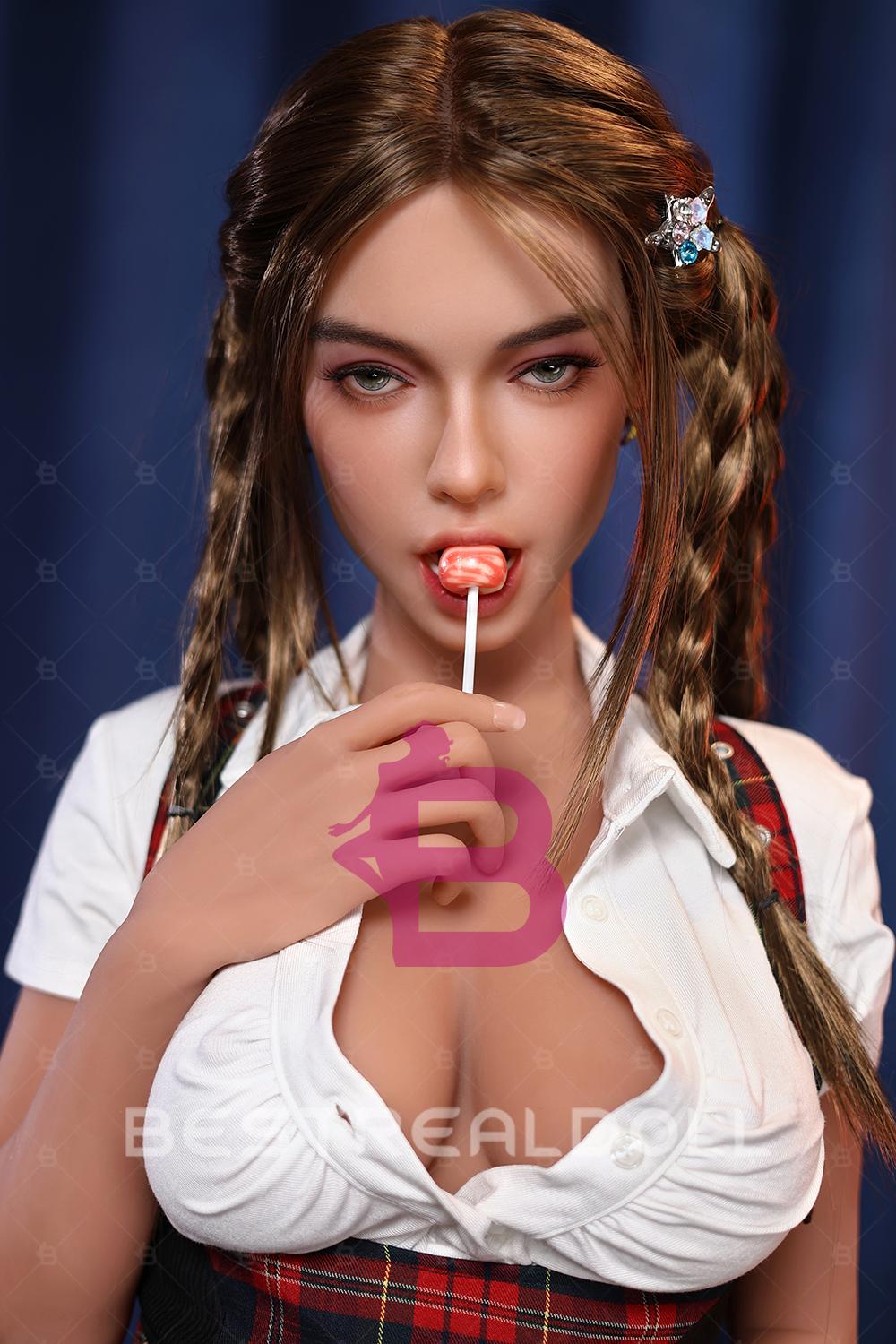
Over the past decade, sex dolls ownership has shifted from a private, often solitary experience into a surprisingly social one. A new wave of micro-communities—small, tightly focused online groups—has emerged to support, entertain, and connect doll owners around the world. These communities, built on shared interests rather than mass appeal, are reshaping how owners engage with their dolls and with each other.
From isolation to connection
Historically, doll ownership carried a stigma that discouraged open discussion. Many owners felt they had to hide their interests from friends or partners. The rise of anonymous digital platforms changed that dynamic. Specialized forums, private subreddits, encrypted chat groups, and invitation-only Discord servers now provide safe environments where people can exchange experiences without judgment.
In these spaces, owners discuss everything from photography to emotional bonds to maintenance hacks. The anonymity lowers barriers, allowing people who would never speak publicly to share openly. As a result, previously isolated individuals discover a sense of community they didn’t know existed.
Micro-communities built around shared identities
What makes today’s online spaces so unique is how narrow some of them are. These are not general shemale sex dolls forums—these are niche islands within niche worlds.
Examples include:
groups dedicated exclusively to fantasy-themed dolls
subcommunities focused on body-positivity models
spaces where owners roleplay stories involving their dolls
photography clubs centered on cinematic or artistic concepts
groups for couples integrating dolls into their relationships
Rather than forming one large “sex doll community,” dozens of micro-societies thrive independently, each with its own culture, norms, and creative direction.
Creative collaboration as community glue
One of the strongest forces uniting these groups is shared creativity. Members routinely collaborate on themed photo challenges, short films, cosplay scenes, and dialogue-driven stories. These activities go beyond posting pictures—they function as collective art projects.
Collaborative storytelling is especially popular. Members create fictional universes where their dolls are characters interacting with one another, forming friendships, rivalries, and entire narrative arcs. These projects provide a creative outlet that blends photography, writing, and digital art.
Owners who might not consider themselves “artists” find confidence and inspiration through these group efforts. Some eventually branch into full-scale creative hobbies, from 3D rendering to sewing custom fashion for their dolls.
Support systems that go beyond technical advice
Micro-communities also provide emotional support. Many owners discuss loneliness, relationship struggles, disability, or anxiety. For some, dolls offer companionship or stability, and talking to others who understand that experience reduces feelings of shame or isolation.
Groups often maintain mental-health channels, resource lists, and peer-support threads. The environment is typically empathetic and inclusive, prioritizing understanding over judgment.
An evolving landscape
As new platforms emerge, these micro-communities evolve. Some migrate from forums to Discord to private websites. Others expand into hybrid spaces, such as VR hangouts where owners bring digital versions of their dolls in sex doll storage case. With technology progressing rapidly—including AI integration—community structures may become even more collaborative.
Today’s online micro-spaces represent more than hobby groups; they are modern social ecosystems. They demonstrate how people build meaningful, supportive relationships around shared interests, even those once considered taboo. And as long as people value connection and creativity, these niche communities will continue to thrive.
Social: https://www.youtube.com/@BestRealDoll