
With the rapid development of modern electrical technology and renewable energy applications, low-voltage hybrid inverters are becoming increasingly important as key components. As the name suggests, a low-voltage hybrid inverters operates in a low-voltage environment and features hybrid energy conversion capabilities. It not only converts direct current (DC) to alternating current (AC), but also, as needed, converts AC back to DC, achieving bidirectional energy conversion. This flexibility makes it highly adaptable to various energy systems, especially those with multiple energy inputs.
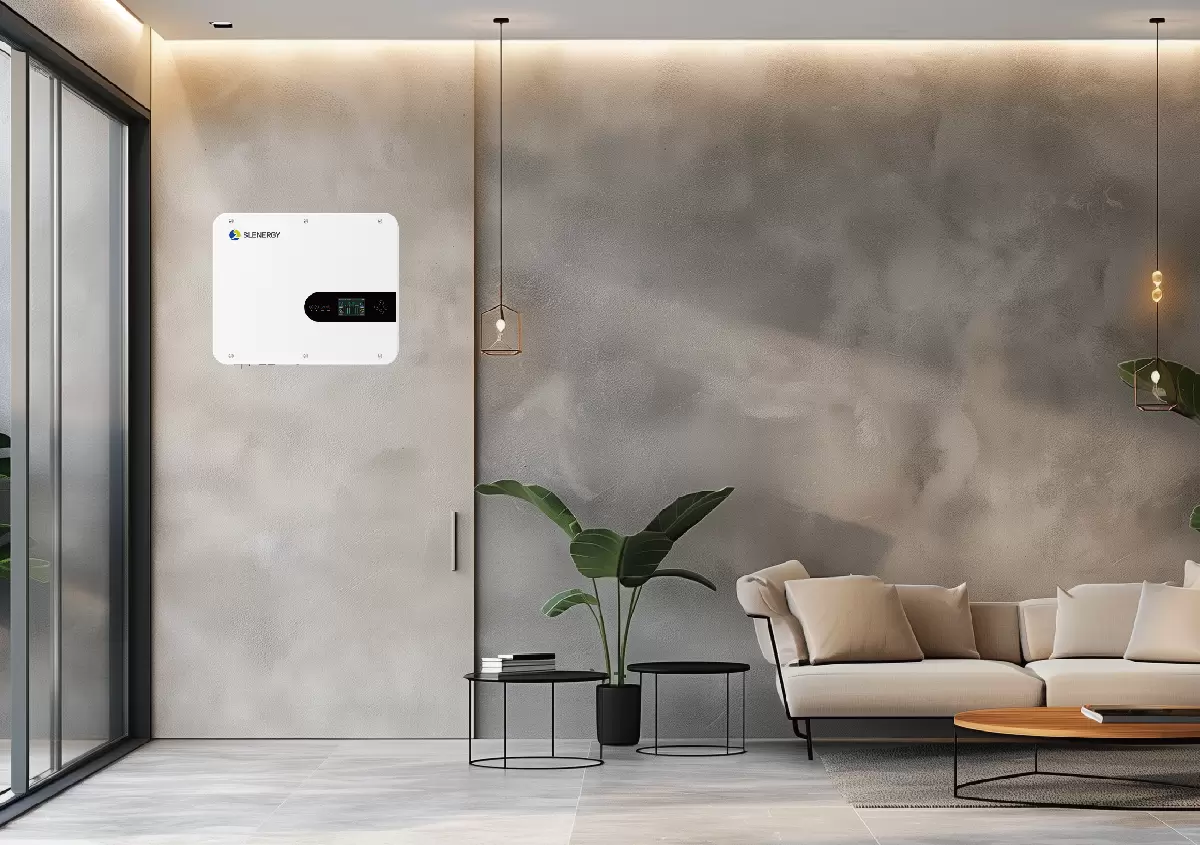
1. Operating Principle
The operating principles of low-voltage hybrid inverterss are primarily categorized into inverter mode and converter mode:
Inverter mode: When the input power source is DC, the inverter uses internal switches and transformers to efficiently convert DC into single-phase or three-phase AC, which is then supplied to the load or connected to the grid.
Converter mode: When the input power source is AC, the inverter uses a rectifier bridge and filter capacitors to convert AC into DC, which is then used to charge batteries or directly supply DC loads.
2. Advantages and Features
Low-voltage hybrid inverters offer significant advantages over traditional unidirectional inverters:
Energy Adaptability: They can handle a variety of energy inputs, such as solar, wind, and the grid, improving the flexibility and reliability of energy systems.
Bidirectional Conversion Capability: They enable bidirectional flow of electrical energy, allowing it to be used for both power supply and energy storage, significantly improving energy efficiency.
Intelligent Management: Modern low-voltage hybrid inverters are often equipped with intelligent control systems that automatically adjust their operating mode based on load demand and energy supply conditions, achieving optimal energy distribution.
Wide Application: They are suitable for a variety of scenarios, including residential, commercial, and large-scale power plants, providing customized solutions for energy systems of varying sizes.
3. Application Areas
Low-voltage hybrid inverters have a wide range of applications, including but not limited to:
Residential Energy Systems: As core equipment for home energy management, they provide a stable power supply while maximizing the use of renewable energy sources such as solar energy.
Commercial and Industrial Energy Systems: In factories, shopping malls, and schools, low-voltage hybrid inverters can optimize energy mixes, reduce operating costs, and increase energy self-sufficiency.
Off-grid power systems: Serving as emergency backup power sources in remote areas or during sudden power outages, they provide a continuous and stable power supply to critical loads.
Renewable energy grid integration: Helping renewable energy generation facilities efficiently integrate into the grid, achieving a green and low-carbon energy transition.
4. Conclusion
With growing global awareness of energy security and environmental protection, low-voltage hybrid inverters, as innovative solutions for electrical equipment safety and energy conversion, are gaining increasing attention and recognition. In the future, with continued technological advancements and further cost reductions, low-voltage hybrid inverters are expected to be used in even more areas, contributing to the development of a clean, efficient, and safe energy system. At the same time, companies should actively comply with safety regulations such as the Low Voltage Directive (LVD) within the CE certification system to ensure product safety and reliability and enhance international competitiveness.
https://www.slenergy.com/news/innovation-in-electrical-equipment-safety-and-energy-conversion.html