


You want your baby to sleep safely. You also want your baby to have a healthy head shape. About half of all babies get flat head syndrome. This is why picking the right support is important. Safe sleep rules say to put your baby on their back. This helps stop SIDS. But it can sometimes cause flat spots. The Liangliang Baby Shaping Pillow is shaped to help and does not cause allergies. It is for use when you are watching your baby. Always follow safety rules from experts. Talk to your baby’s doctor before using any new sleep item.
| Key Points | |
|---|---|
| Hardness Test (BS 4578:1970) | Checks pillow is firm so baby can breathe. |
| Ban on Certain Cushions | Stops pillows that fit the body to lower choking risk. |
| British Standards (BS 1877-8:1974) | Says pillows should be firm and have safe covers. |
Key Takeaways
-
Always watch your baby when using a shaping pillow. Use it for only a short time, like 10 to 15 minutes, while you are there.
-
Put your baby to sleep on a firm, flat surface. Do not use soft bedding, pillows, or toys in the sleep area. This helps lower the risk of suffocation.
-
Start using a baby shaping pillow when your baby is 3 to 6 months old. Stop using it if your baby can roll over or seems uncomfortable.
-
Try tummy time and repositioning to help stop flat head syndrome. These ways are safe and work well instead of using a pillow.
-
Talk to your pediatrician if you worry about your baby's head shape or using a pillow. Always do what your pediatrician says to keep your baby safe.
What Is a Baby Shaping Pillow
Purpose and Benefits
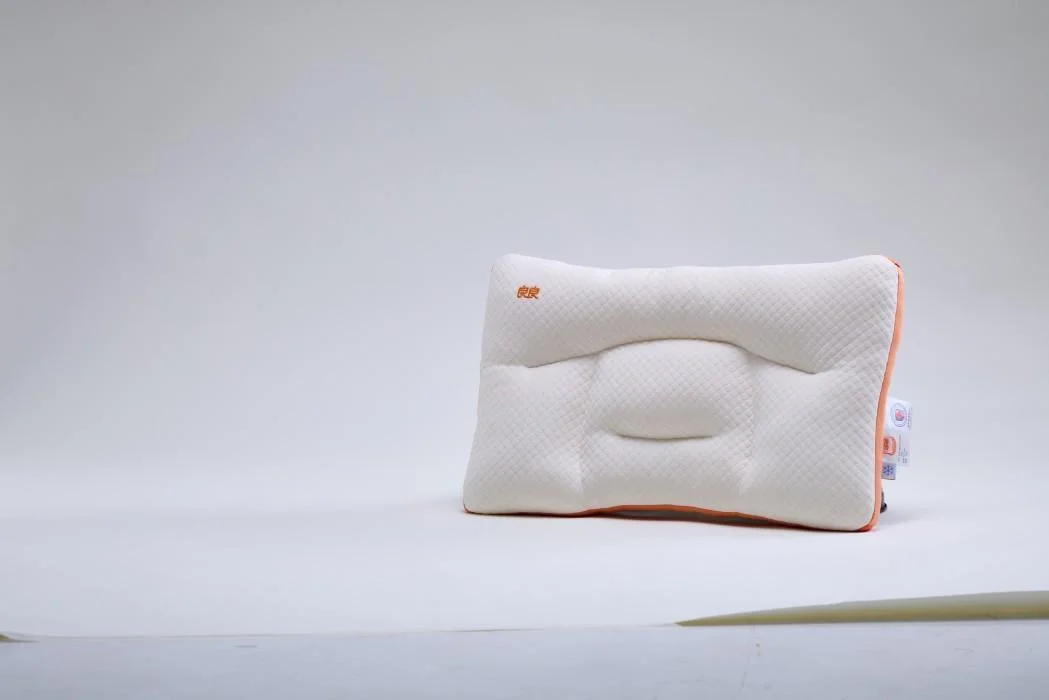
A baby shaping pillow helps support your baby’s head. It can stop flat spots from forming. The Liangliang Baby Shaping Pillow has a special shape. Its center dips down to hold your baby’s head gently. This keeps your baby’s head in a good position. It spreads out pressure so one spot does not get flat. The pillow uses high-density memory foam for strong support. The ramie pillowcase lets air flow through. You can pick covers like organic cotton or bamboo. These choices help meet your baby’s needs.
You want your baby to be healthy. The Liangliang Baby Shaping Pillow uses hypoallergenic materials. This means it is safe for babies with sensitive skin. The cover comes off and you can wash it easily. The pillow meets strict safety standards like OEKO-TEX® and CertiPUR-US.
Some studies say these pillows may help head shape. But experts warn about risks if you use them wrong. The American Academy of Pediatrics (AAP) and the National Health Service (NHS) say not to use any pillow in your baby’s crib when you are not watching. They say babies need a firm, flat sleep surface with no soft bedding.
Tip: Only use a baby shaping pillow when you can watch your baby. Never use it for overnight or unsupervised sleep.
Age Recommendations
Use a baby shaping pillow only when your baby is most at risk for flat head syndrome. Most experts say use it between 3 and 6 months old. At this age, babies cannot roll over by themselves. After this time, babies move more and do not need extra support.
| Age Range | Description |
|---|---|
| Birth to 4-6 months | Babies have a higher risk for flat head syndrome. Supervised use may help. |
| After 4-6 months | Babies start moving and changing positions. The need for a shaping pillow goes down. |
Never let your baby sleep with a pillow until after their first birthday. Using a pillow too early can be dangerous. It can cause suffocation or other sleep problems. Always listen to your pediatrician and follow safety rules.
Preventing Flat Head Syndrome
How the Pillow Helps
Flat head syndrome is common in babies. About one in four babies who sleep on their backs get it. Doctors sometimes call it positional plagiocephaly. The risk went up when experts said babies should sleep on their backs to stop SIDS. Most cases happen in the first four to twelve weeks.
Some parents want to stop flat head syndrome. Baby shaping pillows, like the Liangliang Baby Shaping Pillow, are made to support your baby's head. They help spread out pressure and keep your baby's head round. But the FDA says these pillows do not stop or fix flat head syndrome. The FDA also warns that pillows can make sleep unsafe. There is no proof that head shaping pillows help. Only use them when you can watch your baby.
Note: Always watch your baby when using any pillow. Never use a pillow when your baby sleeps alone or at night.
Repositioning Techniques
You can help stop flat head syndrome by moving your baby's head. Pediatricians say to change your baby's head position during sleep. Try to turn your baby's head a different way each night. You can also hold your baby on different sides when feeding. During play, move toys and mirrors to get your baby to turn their head. When you travel, change how your baby faces in the car seat or stroller.
Tummy time is also very important. Start tummy time early, even in the first days. Try three to five minutes, two to three times a day. As your baby grows, do tummy time for twenty to thirty minutes each day. Tummy time makes neck and shoulder muscles stronger. It also lowers the chance of flat head syndrome.
-
Hold your baby on different sides during feeding.
-
Move toys and mirrors during play.
-
Do tummy time every day.
These tips help your baby avoid flat head syndrome. Always ask your pediatrician if you worry about your baby's head shape.
Safe Usage Steps for Baby Shaping Pillow
Preparing the Sleep Area
You want your baby’s sleep area to be clean and cozy. Pick a safe spot for your baby to rest. Use a firm, flat place like a play mat or a spot where you can watch your baby. Never use the pillow in a crib or bassinet if you are not there. Take away loose blankets, toys, and other soft things from the area.
The Liangliang pillow has a cover you can take off and wash. You can choose covers made from organic cotton, bamboo, or other fabrics. Each fabric helps with hygiene and comfort in its own way. The table below shows how different covers and fillings help keep your baby safe and comfy:
| Pillow Type | Hygiene Features | Comfort Features |
|---|---|---|
| Memory Foam | Soft cover, machine washable, foam needs special cleaning | Shapes to your baby’s head and neck for support |
| Cotton | Breathable, easy to wash, change covers often | Soft and gentle on your baby’s skin |
| Bamboo | Hypoallergenic, keeps moisture away, wash with cold water | Breathable, keeps pillow dry even if baby sweats |
| Latex | Hypoallergenic, keeps dust mites away, needs special care | Strong and gives good support |
| Microfiber | Cheap, needs careful washing | Comes in many types for support and softness |
Cleaning the pillow often stops germs and allergens from building up. Dirty pillows can make your baby’s skin itchy or cause infections. Mold can grow in wet places and may cause allergies or breathing trouble. Always keep the pillow clean to keep your baby safe.
-
Take off the pillowcase and wash it with gentle soap on a soft cycle.
-
Let the cover air dry to keep it soft.
-
Clean the pillow insert with a soft brush or sponge.
-
Use baking soda to remove smells, then let it air dry.
-
Zip up covers before washing, do not use bleach, and do not twist the pillow.
Correct Positioning
You need to put the baby shaping pillow in the right spot to help stop flat head syndrome. Lay your baby on their back. The center of the pillow should support your baby’s head. Make sure your baby’s head fits in the dip in the middle. The pillow should not push the head up or to the side.
Follow these steps for safe use:
-
Put the pillow on a firm, flat place.
-
Gently lay your baby down so the head is in the middle dip.
-
Move the pillow so your baby’s neck and shoulders are even.
-
Make sure your baby can move their head easily.
-
Take the pillow away if your baby looks uncomfortable or tries to roll.
Never use the pillow for sleep at night. Only use it for short times when you are watching your baby. This helps spread out pressure and lowers the chance of flat head syndrome.
Duration and Monitoring
Watching your baby is the most important part of using the pillow safely. Always stay close when your baby uses the pillow. Keep your eyes on your baby the whole time. If your baby looks sleepy or starts to fall asleep, take the pillow away right away. Never leave your baby alone, not even for a second.
Here are steps for safe, watched sessions:
-
Stay near your baby at all times.
-
Look for signs your baby is sleepy or not comfortable.
-
Take the pillow away if your baby starts to sleep.
-
Keep each session short, about 10 to 15 minutes.
-
Only use the pillow when your baby is awake, like during play or feeding.
Tip: As your baby grows, you can use the Liangliang pillow to help with sitting. Always watch your baby and move the pillow if needed.
You help keep your baby safe from flat head syndrome by using the pillow, doing tummy time, and changing your baby’s position. Always watch your baby and change what you do as your baby grows. Clean the pillow often to keep the sleep area safe.
Safety Precautions and When to Stop
Risks of Improper Use
You always want your baby to be safe. Using a baby shaping pillow the wrong way can be risky. Many parents make mistakes because they do not know the dangers. Here are some mistakes you should not make:
-
Do not put the pillow in a crib, bassinet, or playpen if you are not watching.
-
Never leave your baby alone with the pillow, even for a short time.
-
Do not use the pillow overnight or during naps if you cannot watch your baby.
-
Keep extra soft bedding, blankets, or stuffed toys away from your baby.
-
Do not use the pillow for newborns or babies who can roll over.
If you use these pillows the wrong way, your baby’s sleep area can become unsafe. Soft things can cover your baby's nose or mouth. This can make it hard for your baby to breathe. The risk of sudden unexpected infant death (SUID), including sudden infant death syndrome (SIDS), goes up with soft bedding or pillows. Some pillows can trap air near your baby's face. This can make your baby breathe in too much carbon dioxide and not enough oxygen. Babies can also have problems like hypercapnia or hypoxia, which means their bodies do not get enough oxygen.
Alert: Only use the pillow when you can watch your baby closely. Never use it for sleep or in a crib.
Signs to Discontinue Use
You need to know when to stop using a baby shaping pillow. Watch your baby for signs of discomfort or trouble. If you see any of these signs, stop using the pillow right away:
| Warning | Details |
|---|---|
| Risk of SUID | Infant head shaping pillows can increase the risk of sudden unexpected infant death, including SIDS. |
| Safety Recommendation | Parents should throw these pillows away and not give them to others. |
| Ineffectiveness | These pillows do not work for preventing or treating flat head syndrome or other medical problems. |
Other warning signs are:
-
Your baby has trouble breathing or gasps for air.
-
You see redness, marks, or irritation on your baby's face or head.
-
Your baby tries to roll over or move off the pillow.
-
Your baby looks uncomfortable or fussy when using the pillow.
The FDA says these pillows make sleep unsafe for babies. They can cause suffocation and sudden infant death syndrome. If you see any of these signs, throw the pillow away. Do not give it to anyone else.
Consulting a Pediatrician
If you have questions about your baby's head shape or using a pillow, talk to your pediatrician. Doctors do not recommend pillows for newborns because of the risk of SIDS. Your baby's head shape often gets better as your baby grows and sits up more. You can help by watching your baby's head position and gently turning their head if they always look one way.
When you visit your pediatrician, you can:
-
Ask if your baby's head shape needs special care.
-
Share any worries about flat head syndrome or positional plagiocephaly.
-
Talk about safe ways to support your baby's head without a pillow.
-
Learn about tummy time and other ways to help your baby's growth.
Tip: Always listen to your doctor. If you feel unsure or see any problems, call your healthcare provider right away.
By staying alert and knowing when to stop, you help keep your baby safe. You also help your baby grow and develop in a healthy way.
Tips for Safe Sleep Environment

Creating a Safe Space
You want your baby to sleep in a safe place every time. The American Academy of Pediatrics (AAP) gives clear rules for safe sleep. These rules help lower the risk of sudden infant death syndrome (SIDS) and other dangers. Always follow these steps when you set up your baby's sleep area:
| Recommendation | Description |
|---|---|
| Sleep Position | Always place your baby on their back for every sleep. |
| Sleep Surface | Use a firm, flat, noninclined surface for sleeping. |
| Co-sleeping | Never sleep with your baby in the same bed. |
| Bedding | Avoid soft objects and loose bedding in the sleep area. |
| Temperature | Ensure your baby does not get overheated. |
You should always put your baby on their back for naps and at night. Use a crib or bassinet with a firm, flat mattress. Do not use soft bedding, pillows, or stuffed toys. These items can cover your baby's face and make it hard to breathe. Keep the room at a comfortable temperature so your baby does not get too hot.
Tip: A safe sleep space means a firm mattress, no loose bedding, and your baby on their back.
Alternatives to Shaping Pillows
You can help your baby's head shape without using a pillow. Experts recommend simple steps that you can do every day. These steps work well and keep your baby safe.
-
Give your baby tummy time when awake. This helps build neck and shoulder muscles and takes pressure off the back of the head.
-
Change your baby's head position during sleep and play. Turn your baby's head to a different side each time you lay them down.
-
Carry your baby in your arms instead of always using a stroller or car seat.
A study from Finland showed that babies who had regular tummy time and repositioning had fewer flat spots on their heads. At three months, only 15% of these babies had flat head syndrome, compared to 33% in babies who did not get these activities.
| Treatment Option | Description |
|---|---|
| Tummy Time | Place your baby on their tummy while awake and supervised. |
| Repositioning | Change your baby's head position often during sleep and play. |
| Physical Therapy | A therapist can help if your baby has trouble moving their head. |
| Helmet Therapy | For severe cases, a doctor may suggest a special helmet. |
Note: You do not need a pillow to help your baby's head shape. Tummy time and repositioning are safe and effective.
You can help your baby stay safe by following simple steps. Always place your baby in the center of the shaping pillow and check that the head, neck, and back stay aligned. Stay close and watch for comfort and stability. Experts recommend these safe sleep habits:
-
Place your baby on their back for every sleep.
-
Use a firm, flat mattress in a crib or bassinet.
-
Keep the sleep area free from toys, blankets, and pillows.
By following these tips and talking with your pediatrician, you make informed choices for your child’s well-being.
FAQ
How long should you use a baby shaping pillow each day?
You should use the pillow for short, supervised sessions. Ten to fifteen minutes at a time works best. Always watch your baby and remove the pillow if your baby looks sleepy or uncomfortable.
Can you wash the Liangliang Baby Shaping Pillow?
Yes, you can wash the removable cover in the washing machine. Use gentle soap and air dry the cover. Clean the pillow insert with a soft brush or sponge. This keeps the pillow fresh and safe for your baby.
Is it safe to use a baby shaping pillow overnight?
No, you should never use a baby shaping pillow overnight or during unsupervised sleep. Always follow expert guidelines. Only use the pillow when you can watch your baby closely.
What are safe alternatives to shaping pillows?
You can help your baby’s head shape by giving tummy time, changing head positions, and holding your baby in your arms. These methods work well and keep your baby safe.
When should you stop using a baby shaping pillow?
Stop using the pillow when your baby starts rolling over or shows discomfort. Most babies do not need the pillow after six months. Always ask your pediatrician if you have questions.
https://www.liangliangbaby.com/baby-shaping-pillow-safety-correct-usage-for-parents.html