
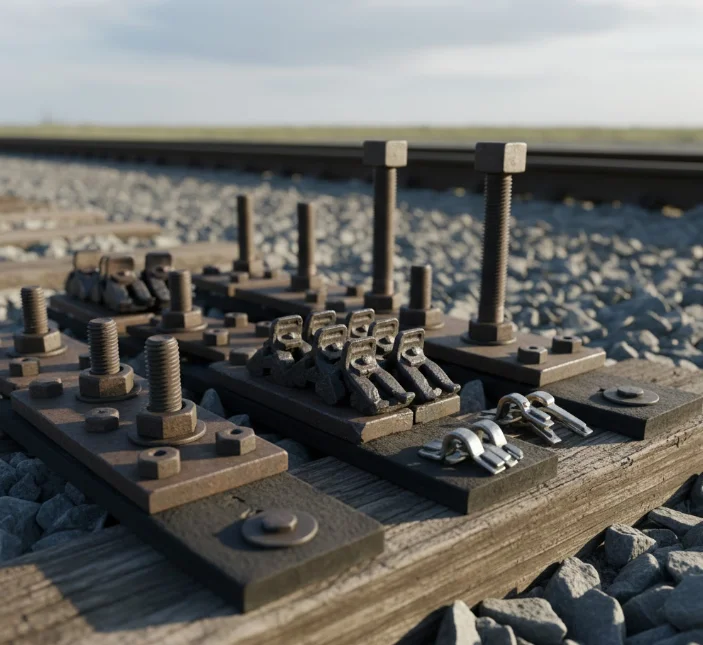
In the intricate world of railway infrastructure, the significance of railway fasteners cannot be overstated. These seemingly small components play a crucial role in ensuring the safety, stability, and longevity of rail systems. As the demand for efficient and reliable rail transport continues to grow, the role of railway fasteners manufacturers, such as HuiBo Railway, becomes increasingly vital.
Understanding Railway Fasteners
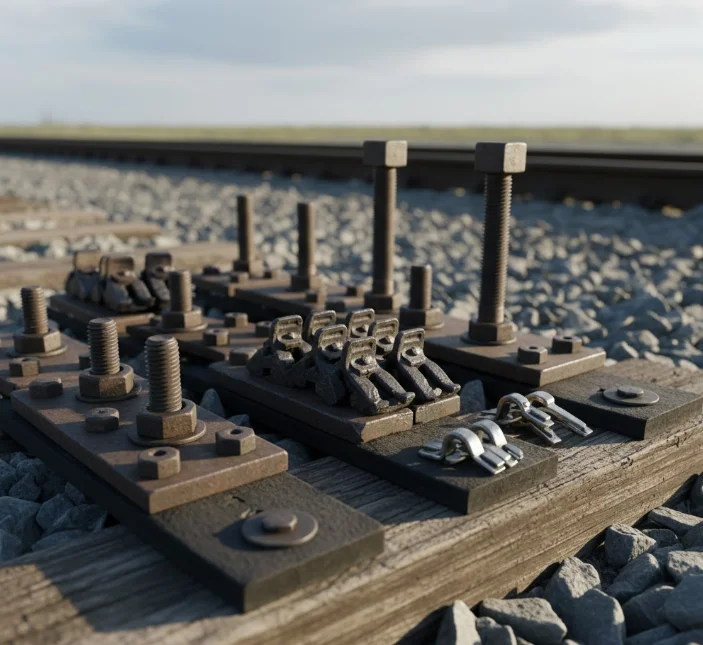
Railway fasteners are specialized components designed to secure rails to sleepers, ensuring that the tracks remain stable under various conditions. They include a variety of products such as bolts, nuts, washers, clips, and anchors. Each of these components is engineered to withstand significant forces, including dynamic loads from passing trains, thermal expansion, and environmental factors.
The primary functions of railway fasteners are to:
-
Maintain track alignment and gauge.
-
Absorb vibrations and shocks from train movements.
-
Prevent rail movement due to thermal expansion or contraction.
-
Ensure safety by minimizing the risk of derailments.
The Manufacturing Process
The manufacturing of railway fasteners is a complex process that requires precision engineering and adherence to strict safety standards. Companies like HuiBo Railway utilize advanced technologies and methodologies to produce high-quality fasteners. The manufacturing process typically involves several key stages:
-
Material Selection: High-strength steel is commonly used for railway fasteners due to its durability and resistance to wear. Manufacturers must select materials that can withstand harsh environmental conditions and heavy loads.
-
Forging and Machining: The selected materials undergo forging to shape them into the desired forms. This is followed by machining processes that ensure precise dimensions and tolerances.
-
Heat Treatment: To enhance the mechanical properties of the fasteners, heat treatment processes such as quenching and tempering are employed. This step is crucial for achieving the required strength and toughness.
-
Surface Treatment: Fasteners are often subjected to surface treatments like galvanization or coating to prevent corrosion and extend their lifespan.
-
Quality Control: Rigorous testing and inspection are conducted at various stages of production to ensure that the fasteners meet industry standards and specifications. HuiBo Railway places a strong emphasis on quality control to guarantee the reliability of their products.
Innovations in Railway Fasteners
As the railway industry evolves, so too do the technologies and materials used in fastener manufacturing. Innovations are driven by the need for improved performance, safety, and sustainability. Some notable trends include:
-
Smart Fasteners: The integration of sensors into fasteners allows for real-time monitoring of track conditions. This technology can provide valuable data on stress levels, temperature changes, and potential failures, enabling proactive maintenance.
-
Sustainable Materials: With growing environmental concerns, manufacturers are exploring the use of sustainable materials and production processes. This includes the development of fasteners made from recycled materials or those that can be easily recycled at the end of their life cycle.
-
Advanced Coatings: New coating technologies are being developed to enhance the corrosion resistance and longevity of fasteners, particularly in harsh environments. These coatings can significantly reduce maintenance costs and improve safety.
The Importance of Choosing the Right Manufacturer
Selecting a reliable railway fasteners manufacturer is crucial for ensuring the safety and efficiency of rail systems. Companies like HuiBo Railway stand out due to their commitment to quality, innovation, and customer service. When choosing a manufacturer, consider the following factors:
-
Experience and Expertise: Look for manufacturers with a proven track record in the railway industry. Their experience can provide valuable insights and solutions tailored to your specific needs.
-
Quality Assurance: Ensure that the manufacturer adheres to international quality standards and has robust quality control processes in place.
-
Customization Options: Different rail systems may require unique fastener solutions. A manufacturer that offers customization can better meet your specific requirements.
-
Technical Support: A reputable manufacturer should provide ongoing technical support and guidance, helping you make informed decisions about your fastener needs.
Conclusion
Railway fasteners are a critical component of rail infrastructure, ensuring safety, stability, and efficiency. As the industry continues to evolve, manufacturers like HuiBo Railway are at the forefront of innovation, producing high-quality fasteners that meet the demands of modern rail systems. By understanding the importance of these components and the manufacturing processes involved, stakeholders can make informed decisions that enhance the safety and reliability of railway operations.